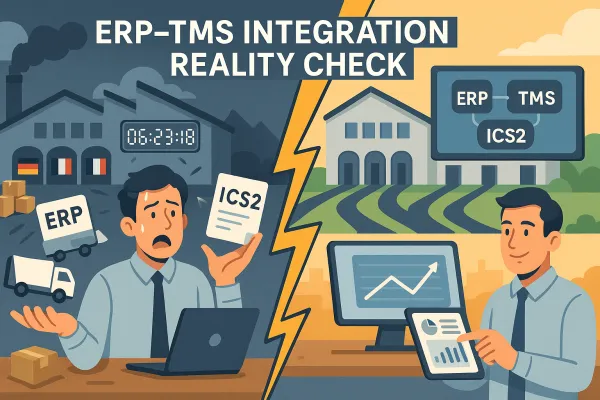
The €4,700 Van Fleet Challenge: How European Shippers Can Build Cost-Effective G2V2 Tachograph Implementation Strategies Before July 2026's Mandatory Deadline Creates Installation Bottlenecks

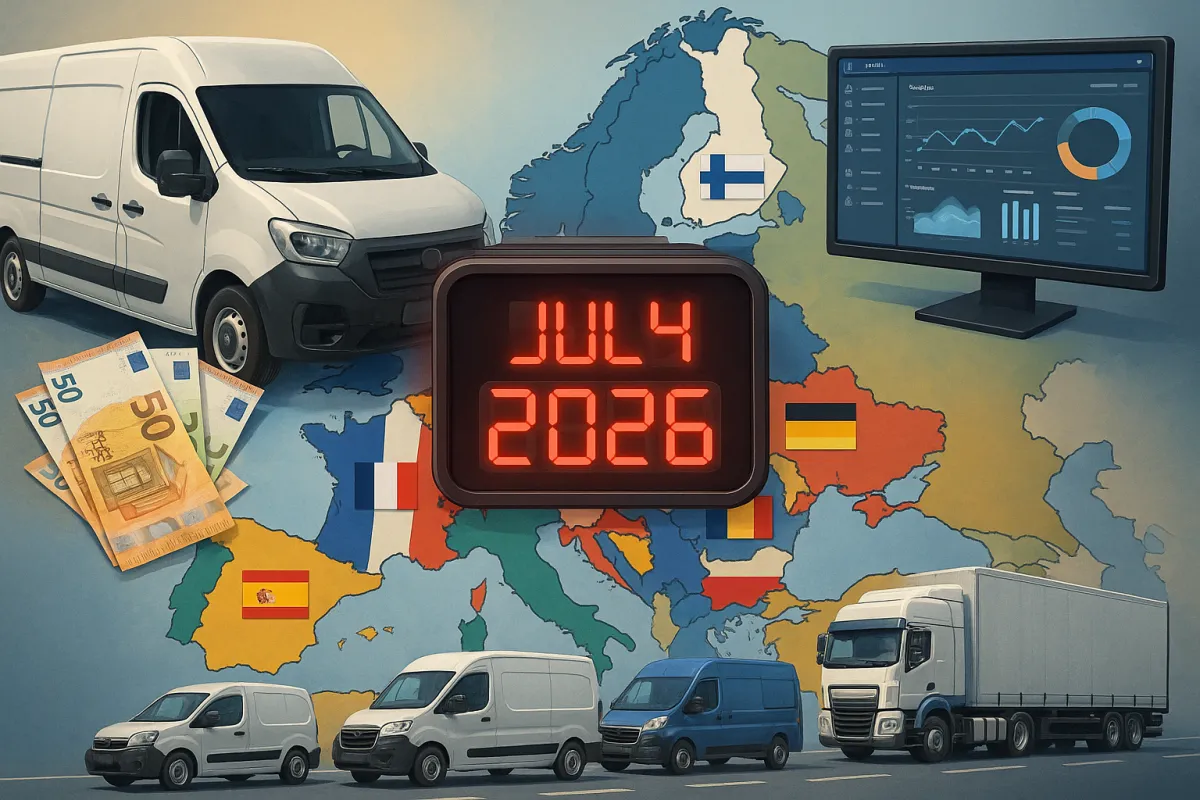
The July 2026 deadline for van fleet tachograph compliance isn't just another regulatory hurdle. For European shippers managing cross-border operations, it represents a potential €4,700-per-vehicle cost explosion that could crush unprepared companies while rewarding those who build comprehensive cost management frameworks early.
From 1 July 2026, vans with a gross vehicle weight of 2.5–3.5 tonnes used for international goods transport will be required to use second-generation smart tachographs (G2V2), fundamentally transforming how European manufacturers manage their light commercial vehicle fleets. The financial impact extends far beyond the advertised device costs, with logistics professionals in Poland reporting that installation costs can reach 3,500-4,700 EUR per vehicle, which, combined with other costs such as purchasing software and employee training, can seriously threaten the profitability of small enterprises.
This implementation guide reveals how European shippers can build cost-effective G2V2 tachograph frameworks while avoiding the bottlenecks that devastated early adopters during the heavy vehicle rollout.
The True Cost Breakdown: Beyond the €1,000 Device Price
Most European shippers focus on the headline tachograph costs while missing the multiplication effect that transforms "simple compliance" into major budget overruns. Hardware is only the opening cost (around EUR 1000 for purchase and installation). The real workload follows: driver cards and company cards, staff training, procedure updates, and reliable software for data reading/archiving.
The Polish market provides concrete evidence of these hidden costs. Transport companies must prepare for costs related to purchasing devices (3,000-5,500 PLN), driver and company cards, and training. When you factor in the complete implementation requirements, the financial picture becomes sobering:
- G2V2 tachograph device and installation: €1,000-€1,500
- Driver cards (€150-€200 per card)
- Company cards (approximately €283 per card)
- Software integration and data management systems
- Staff training and procedure development
- Installation workshop scheduling premiums
The Installation Bottleneck Crisis
The heavy vehicle G2V2 rollout provides a preview of van fleet challenges. Experience from the G2V2 rollout has shown that leaving retrofits until the last moment creates bottlenecks. Workshops face high demand, waiting times increase, and costs can rise unexpectedly. Planning the installation of tachographs for LCVs well in advance is therefore strongly recommended.
Real-world examples demonstrate the financial consequences of delayed compliance. Fines of several thousand euros were imposed, and in some cases companies temporarily "lost" their trucks. For example, a Czech company ran into trouble near Dresden in the very first days — in addition to a fine of €1,500 (for a first-generation smart tachograph that had not been replaced), the truck had to remain in service and wait its turn for installation.
These bottlenecks aren't theoretical concerns. Companies often wait until the last moment to comply with regulations, postponing equipment installation and counting on the authorities to postpone enforcement. For example, in April 2024, the Spanish association Fenadismer reported that only 10% of the total number of buses and trucks required to switch to G2V2 had done so.
TMS Integration: The Strategic Advantage Most Shippers Miss
While most companies view tachograph compliance as a regulatory burden, smart European shippers are leveraging TMS integration to transform this obligation into operational advantage. The key lies in understanding how modern TMS platforms can automate tachograph data processing while delivering broader transport efficiency gains.
API integration capability - customers have the flexibility to integrate their platform directly with TachoSync via API to access the data and functionality within their own systems. This flexibility supports different operational setups and workflows. Cloud-based platforms handle the technical complexity while providing the data visibility European operations demand.
Modern TMS solutions from vendors like Cargoson, nShift, Transporeon, and Alpega now include dedicated tachograph data management modules that automatically download, process, and archive compliance data. Your base integration estimate needs separate line items for ICS2 connectivity, eFTI compliance capabilities, and Smart Tachograph data processing.
Data Quality Standards for European Operations
European transport operations demand data quality frameworks that account for cross-border complexity. German tachograph validation requirements differ from French driver hour regulations, requiring TMS platforms that establish consistent data formats while accommodating country-specific variations.
The most effective approaches centralize tachograph data through cloud platforms that automatically validate compliance against each country's specific requirements. Automated border recording reduces manual work. Remote data downloads save time and streamline enforcement checks. Improved protection against manipulation increases trust in the system.
Building Your 90-Day Implementation Framework
Successful G2V2 van fleet implementation requires structured project management that avoids last-minute compliance scrambles. European manufacturers who followed this framework consistently achieved on-time, on-budget implementations while positioning themselves for operational advantages.
Phase 1: Fleet Assessment and Vendor Selection (Days 1-30)
Begin with comprehensive fleet analysis to identify vehicles requiring G2V2 compliance. The first step should be a fleet analysis to determine which vehicles will require G2V2 tachographs. It is also advisable to book installation appointments at authorised workshops well in advance, as demand is expected to increase closer to the deadline.
Vendor selection should prioritize European specialists who understand cross-border compliance requirements. Major platforms including Oracle TM, SAP TM, MercuryGate, Cargoson, and Transporeon offer different approaches to tachograph data integration, with varying degrees of automation and European regulatory support.
Phase 2: Installation Scheduling and Staff Training (Days 31-60)
Schedule installations during planned maintenance windows to minimize operational disruption. Fleet managers can also align tachograph installation with scheduled maintenance to minimise downtime. Proactive preparation will help smaller businesses avoid compliance risks and potential fines once the July 2026 deadline arrives.
Driver training programs must cover both technical tachograph operation and new working time regulations. From July 1, 2026, van drivers covered by the new regulations will have to comply with the same basic limits on driving time, breaks and rest as their colleagues driving trucks: Maximum daily driving time of 9 hours (with the possibility of extension to 10 hours twice a week), Maximum weekly driving time of 56 hours, and a maximum of 90 hours over two consecutive weeks.
Phase 3: TMS Integration and Testing (Days 61-90)
The final phase focuses on TMS integration validation and compliance testing. European operations require verification that automated data downloads meet each country's specific archival requirements. The law requires data to be stored in an orderly manner, enabling it to be presented quickly during inspections by road transport enforcement authorities, labour inspectorates or other competent services in Member States.
Change Management for Van Fleet Operations
The organizational impact extends beyond technology installation. The obligations are not only financial — both companies and employees will have to adapt organizationally and learn. For many companies operating large van fleets, the biggest change will not be the installation of tachographs itself, but the complete system of monitoring drivers' working hours, controlling mandatory rest periods, keeping records.
European manufacturers must restructure route planning, driver scheduling, and compliance monitoring processes. This organizational transformation represents the largest hidden cost in van fleet tachograph implementation.
Cost Optimization Strategies That Actually Work
The most effective cost control approaches focus on total cost of ownership rather than initial purchase prices. European shippers who implemented bulk procurement strategies achieved 15-25% cost reductions compared to individual vehicle installations.
Timing optimization delivers significant savings. Companies scheduling installations 6-9 months before the deadline typically secured better workshop rates and avoided premium pricing. Those waiting until Q2 2026 faced installation costs 40-60% higher than early adopters.
TMS automation reduces ongoing administrative costs substantially. European operations often see 15-25% improvements in transport administrative efficiency within the first year of successful TMS data integration. These improvements come from reduced manual data entry, automated compliance reporting, and enhanced visibility across transport networks.
ROI Beyond Compliance
Smart European shippers view G2V2 implementation as infrastructure investment rather than regulatory expense. Automated tachograph data integration through TMS platforms delivers operational benefits that extend far beyond compliance requirements.
Fleet visibility improvements enable better route optimization and load consolidation. Driver performance analytics support targeted efficiency improvements. Real-time compliance monitoring prevents costly violations before they occur.
The regulatory convergence of 2026 creates procurement opportunities that won't repeat. The regulatory pressure of 2026 creates a procurement opportunity that won't repeat. Use these converging deadlines to secure TMS contracts that deliver both compliance certainty and operational excellence.
European manufacturers who build comprehensive G2V2 implementation frameworks early position themselves for sustained competitive advantages. Those who wait until the last minute face installation bottlenecks, cost overruns, and missed optimization opportunities that could impact profitability for years.
Start your fleet assessment now. Book installation slots before Q2 2026. Choose TMS platforms that automate compliance while delivering operational value. The €4,700 van fleet challenge becomes manageable when you approach it as strategic investment rather than regulatory burden.